A-level Geography: topics, fieldwork and exams
What A-level Geography covers in physical and human geography, the four days of fieldwork and independent investigation, and how it is examined.
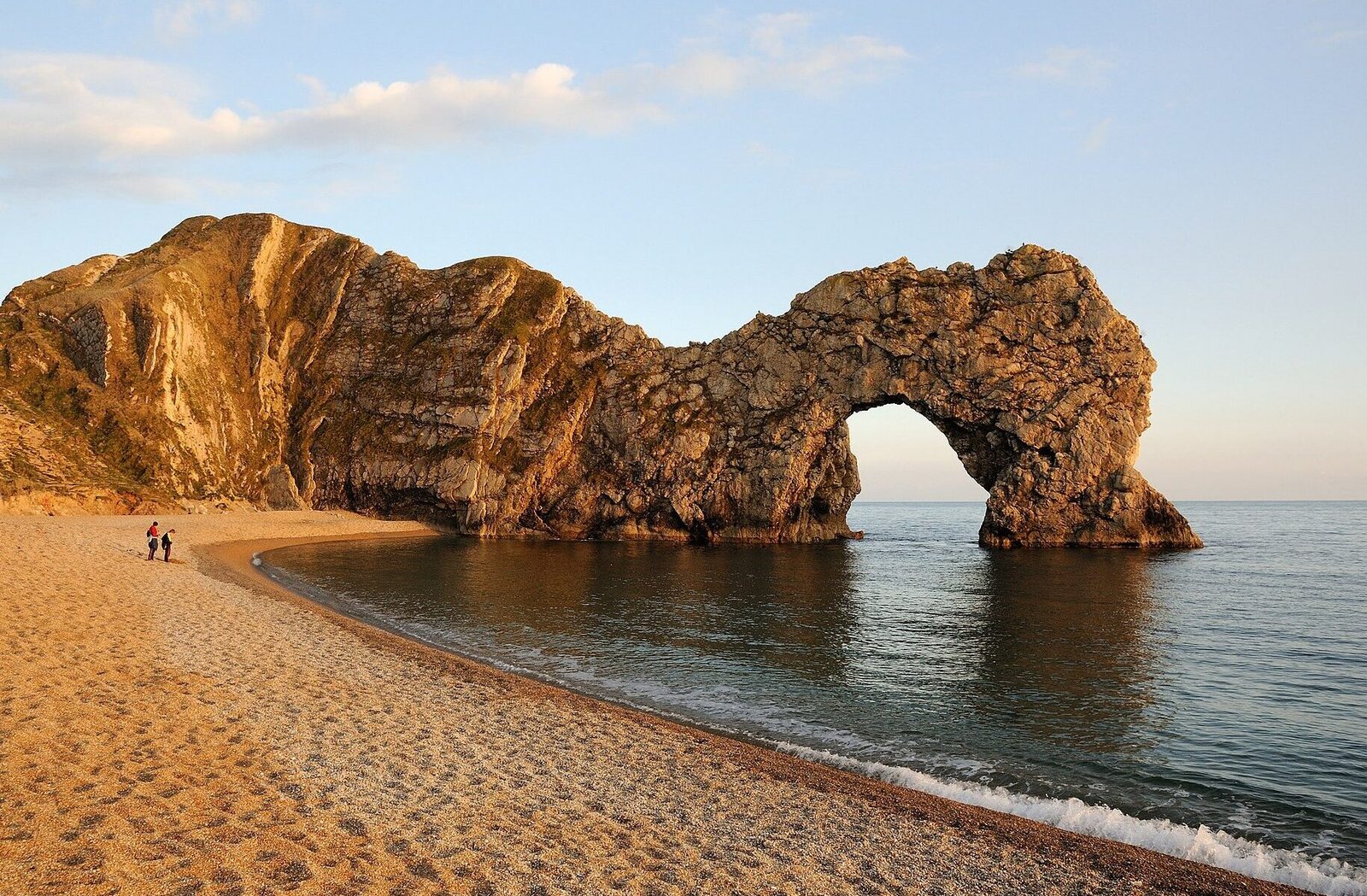
A-level Geography combines physical and human geography, from coasts, glaciers and the water cycle to globalisation, cities and population. It counts as an arts or a science subject at many universities. Every student must do at least four days of fieldwork and an independent investigation, worth a fifth of the A-level.
What you study
- Physical geography: water and carbon cycles, coastal or glacial systems, and hazards or ecosystems.
- Human geography: global systems and governance, changing places, and contemporary urban environments, population or resource security.
- Fieldwork and skills: at least four days of fieldwork, data analysis and an independent investigation of 3,000 to 4,000 words.
The exact topics depend on the exam board your school or college uses, so check its specification.
How it is examined
Like all reformed A-levels, it is a linear two-year course: you sit all the exams at the end of Year 13, and an AS taken along the way does not count towards the A-level.
| Exam board | Code | Assessment |
|---|---|---|
| AQA | 7037 | Two 2½-hour papers (physical and human), each 40%, plus the investigation. |
| Pearson Edexcel | 9GE0 | Three papers plus the investigation. |
| OCR | H481 | Three papers plus the investigation. |
| Eduqas | – | Exams plus the investigation. |
Coursework: Yes: an independent investigation worth 20% of the A-level. Calculator: A calculator is allowed.
Grades and how hard it is
In summer 2026, 34,128 students took A-level Geography in the UK. 5.9% were awarded an A* and 24.7% an A* or A, compared with about 28% across all A-levels in England. See how subjects compare in the hardest and easiest A-levels.
Entry requirements: Usually a grade 6 in GCSE Geography, or English and Maths if you did not take it.
Where it can lead
A-level Geography is useful for geography, environmental science, planning, surveying, geology, international development, law and teaching.
Goes well with: Biology, Economics, History, Maths, Environmental subjects.
Work out what your predicted grades are worth with our UCAS points calculator.
Tips for doing well
- Keep case studies up to date with real places and figures.
- Start your investigation early and keep it focused.
- Practise statistical techniques such as Spearman’s rank.
Questions people ask
Is Geography a science A-level?
Many universities accept it as a science for courses such as environmental science, but check if a course asks for “a science”.
How much fieldwork is there?
At least four days, which you use for exam questions and your independent investigation.
Is A-level Geography hard?
It covers a wide range of content and skills. In 2026, 24.7% of entries got an A* or A.