A-levels, BTECs or T Levels: which is right for you?
How A-levels, BTEC Nationals and T Levels compare: how they are assessed, how many UCAS points they are worth and where each can lead.
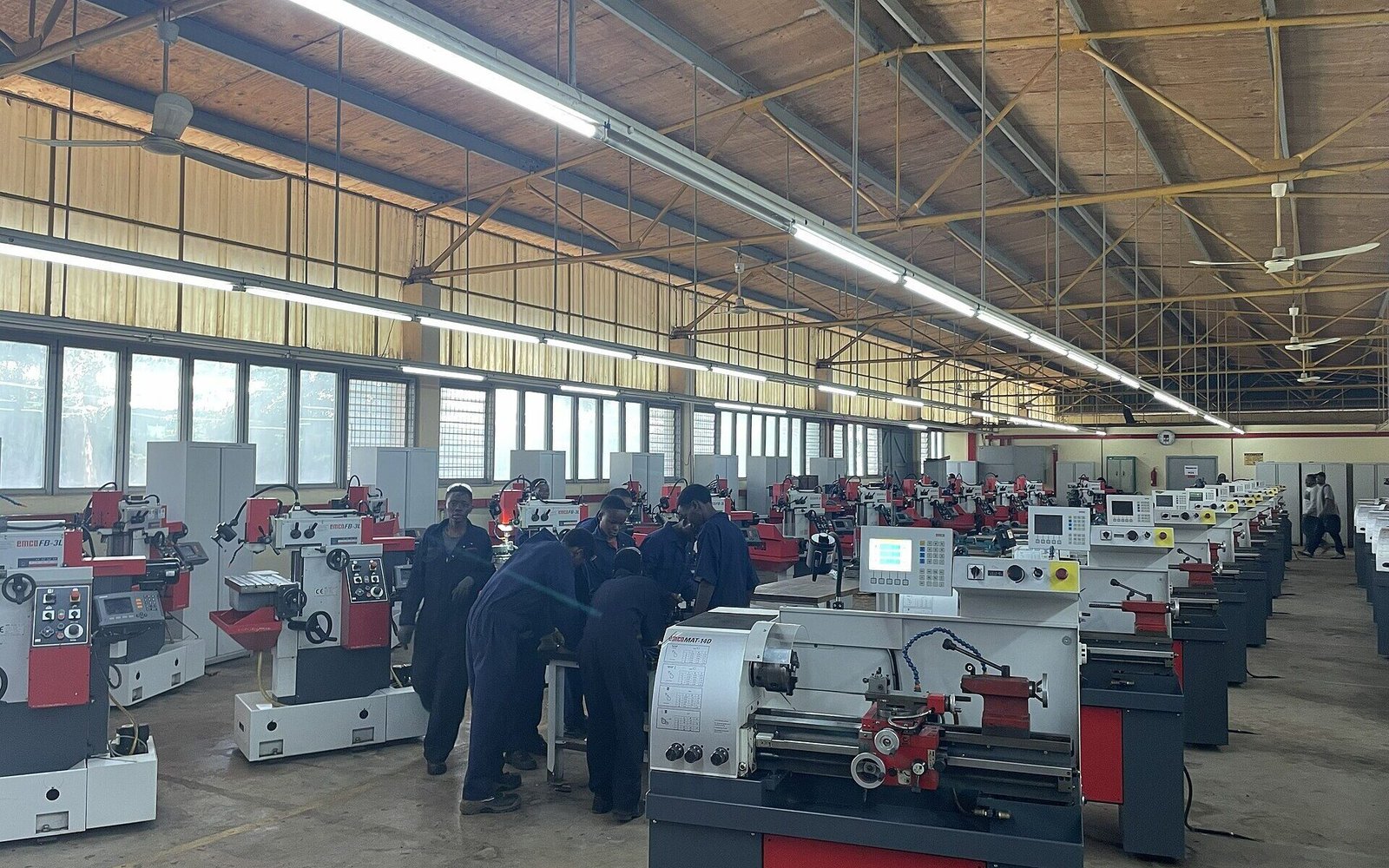
After GCSEs, most students in England choose between A-levels, a vocational qualification such as a BTEC National, or a T Level. All three can lead to university, an apprenticeship or a job, but they suit different ways of learning.
At a glance
| A-levels | BTEC Nationals | T Levels | |
|---|---|---|---|
| What you study | Usually three academic subjects | One career area, sometimes alongside A-levels | One technical subject, such as digital, health or engineering |
| Assessment | Mostly exams at the end of two years | Coursework assignments plus some exams | Exams, a project and an occupational specialism |
| Work experience | Not included | Varies | An industry placement of at least 315 hours (about 45 days) |
| Maximum UCAS points | 168 (A*A*A*) | 168 (Extended Diploma D*D*D*) | 168 (Distinction*) |
A-levels
A-levels suit students who are happy with exams and want to keep their options open. They are the most common route to university, and some degrees, such as medicine, maths and many sciences, require specific A-level subjects. Since the reforms that began in 2015, most A-levels are assessed by exams at the end of the two-year course.
BTEC Nationals and other vocational qualifications
BTEC Nationals focus on a career area, such as business, sport, health and social care, applied science or IT, and are assessed largely through coursework. They come in different sizes, from the Extended Certificate (the same size as one A-level) to the Extended Diploma (the same as three). The government has been reducing funding for vocational qualifications that overlap with T Levels, so check what your school or college will offer.
T Levels
T Levels, introduced from 2020, are two-year technical qualifications equal in size to three A-levels. They combine classroom learning with a long industry placement, and suit students who know the area they want to work in. A Distinction* is worth the same 168 UCAS points as three A* grades.
Can you go to university with each one?
Yes. Most universities accept BTECs and T Levels for many courses, but some highly selective courses still ask for A-levels or a mix of A-levels and BTECs. Check each course’s entry requirements, and use our UCAS points calculator to compare.
Questions people ask
Is a BTEC equal to an A-level?
A BTEC National Extended Certificate is the same size as one A-level and carries the same UCAS points for the same grade (a D* equals an A* at 56 points).
Can you do A-levels and a BTEC together?
Yes, many students combine two A-levels with a BTEC Extended Certificate.
Are T Levels harder than A-levels?
They are different rather than harder: one subject in depth, plus a demanding work placement.