A-level History: periods, coursework and exams
How A-level History works: a breadth study, a depth study and a coursework essay, the choice of periods, and how each board examines it.
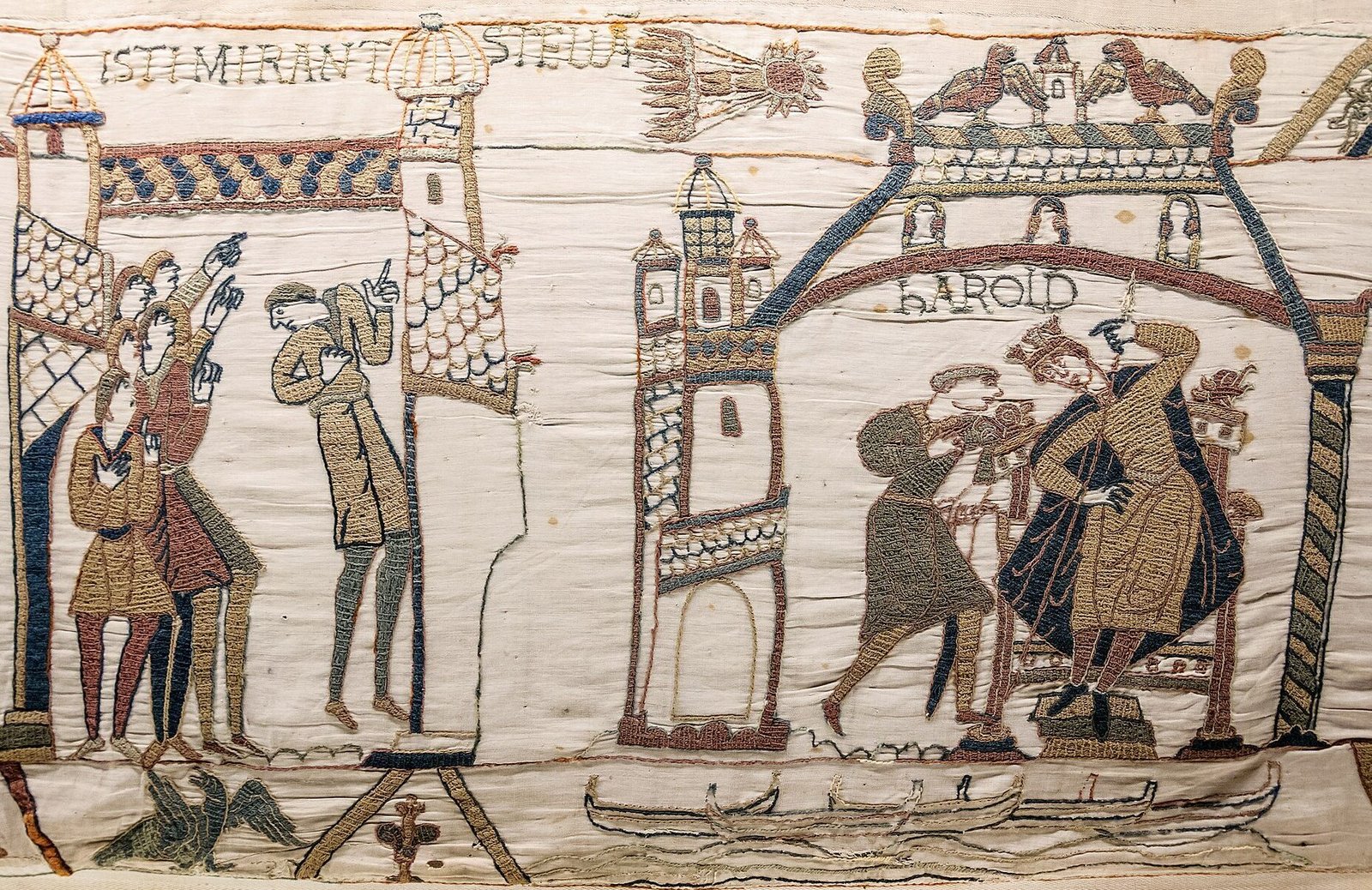
A-level History had nearly 47,000 entries in 2026. Your school chooses the periods you study from a long list, from medieval England to the Cold War, so two schools can teach very different courses. Every board includes a breadth study, a depth study and a coursework essay on a question you investigate yourself.
What you study
- A breadth study covering about 100 years, such as the Tudors, the British Empire or Russia from 1855 to 1964.
- A depth study of a shorter period, such as Nazi Germany, the American civil rights movement or the English Revolution.
- Historical interpretations and how to analyse sources.
- An independent coursework essay of about 3,000 to 4,000 words.
The exact topics depend on the exam board your school or college uses, so check its specification.
How it is examined
Like all reformed A-levels, it is a linear two-year course: you sit all the exams at the end of Year 13, and an AS taken along the way does not count towards the A-level.
| Exam board | Code | Assessment |
|---|---|---|
| AQA | 7042 | Two 2½-hour papers (breadth and depth), plus the historical investigation. |
| Pearson Edexcel | 9HI0 | Three papers plus coursework. |
| OCR | H505 | Three papers plus coursework. |
Coursework: Yes: a coursework essay worth 20% of the A-level. Calculator: Not needed.
Grades and how hard it is
In summer 2026, 46,960 students took A-level History in the UK. 5.8% were awarded an A* and 24.7% an A* or A, compared with about 28% across all A-levels in England. See how subjects compare in the hardest and easiest A-levels.
Entry requirements: Usually a grade 6 in History or English.
Where it can lead
A-level History is useful for history, law, politics, journalism, teaching, museums and heritage, the civil service and international relations.
Goes well with: English Literature, Politics, Religious Studies, a modern language, Economics.
Work out what your predicted grades are worth with our UCAS points calculator.
Tips for doing well
- Find out which periods your school teaches before you choose.
- Read beyond the textbook: historians’ interpretations carry marks.
- Practise timed essays with a clear argument from the first line.
Questions people ask
Is A-level History hard?
It involves a lot of reading and essay writing. In 2026, 24.7% of entries got an A* or A.
Do I need GCSE History?
Usually it is preferred but not essential if your English is strong.
Is A-level History good for law?
Yes. It is one of the most popular A-levels among law applicants because it develops argument and the use of evidence.